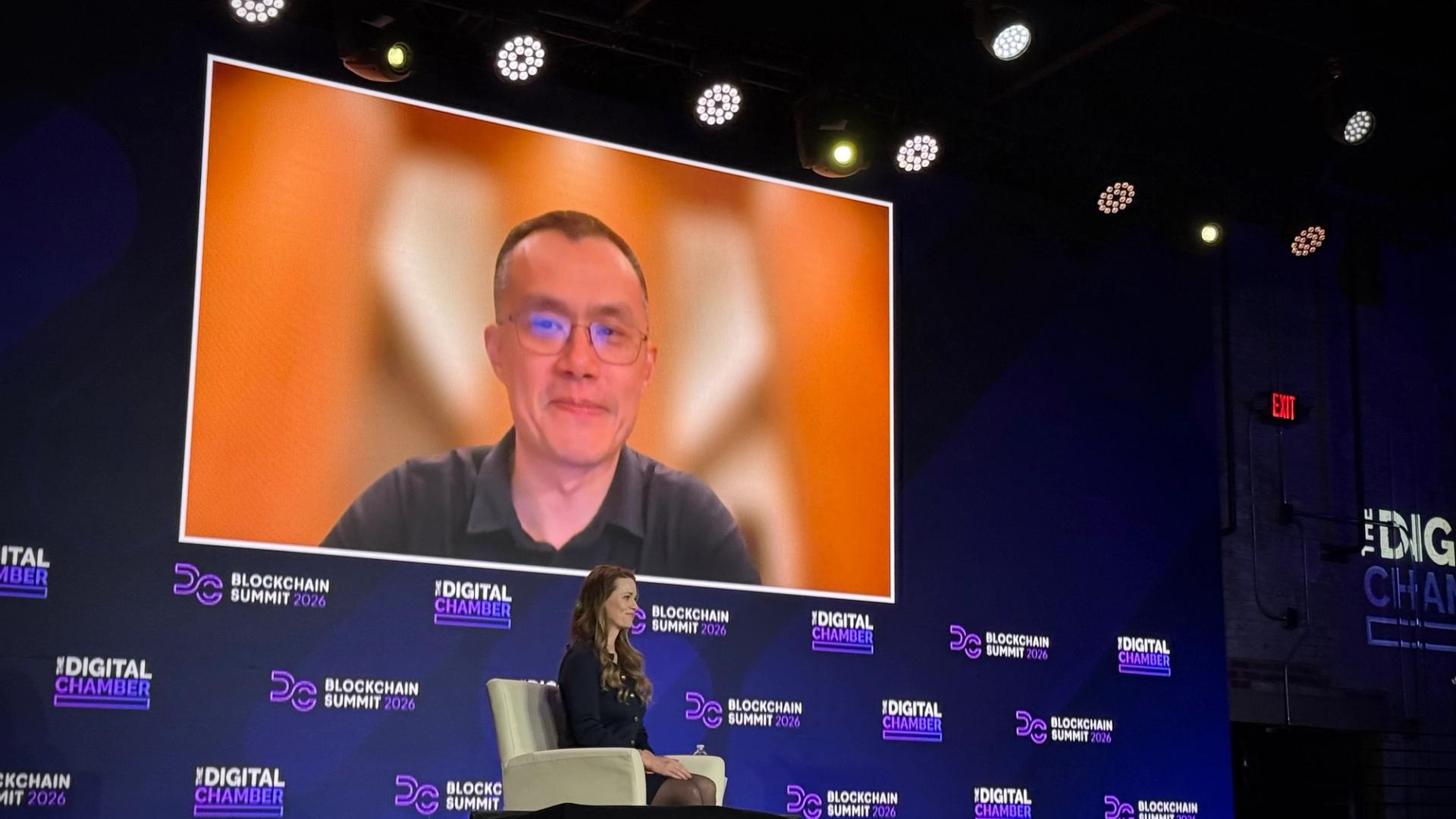
The rapid development of quantum computing has prompted a new debate over how to protect the largest single Bitcoin holding—Satoshi Nakamoto’s 1.1 million BTC. Experts warn that a sufficiently powerful quantum computer could break the cryptographic signatures that secure the wallet, potentially enabling theft.
Binance founder Changpeng Zhao has suggested that the Bitcoin protocol should freeze the wallet before a quantum threat materializes. Zhao argues that a pre‑emptive freeze would preserve the integrity of the network and prevent a catastrophic loss of funds.
Supporters of the freeze point to the precedent set by the Bitcoin Foundation’s 2013 decision to lock a large wallet for security reasons. They contend that a similar measure could protect the network’s reputation and maintain user confidence.
Opponents caution that freezing a wallet would alter the original design of Bitcoin and could set a dangerous precedent for future interventions. They also note that the technical feasibility of a quantum attack remains uncertain, and that the freeze could be perceived as a political statement rather than a purely technical solution.
The debate highlights the broader uncertainty surrounding quantum threats to blockchain security. While the industry watches for advances in quantum hardware, many experts suggest that a layered approach—combining protocol upgrades, quantum‑resistant cryptography, and careful monitoring—may be a more balanced path forward.